Digital Marketing in 2026: Trends, Strategies and Opportunities for Small Businesses
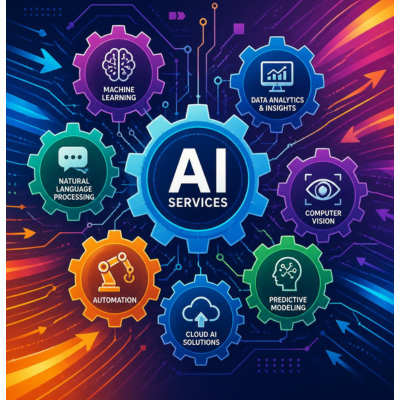
Digital Marketing in 2026 is no longer simply about posting content on social media or running advertisements. The digital world has changed significantly, and businesses now need a smarter combination of Artificial Intelligence (AI), Search Engine Optimization (SEO), social media, content marketing, automation, websites, WhatsApp marketing and data-driven strategies to attract customers and increase sales.
For small businesses and MSMEs, this change creates a huge opportunity. A local business that previously depended mainly on walk-in customers, referrals or traditional advertising can now reach potential customers online and compete with larger businesses.
In this blog, we will understand what digital marketing means in 2026, the latest trends, the role of AI, important strategies for small businesses, and how businesses can prepare themselves for the future.
What Is Digital Marketing in 2026?
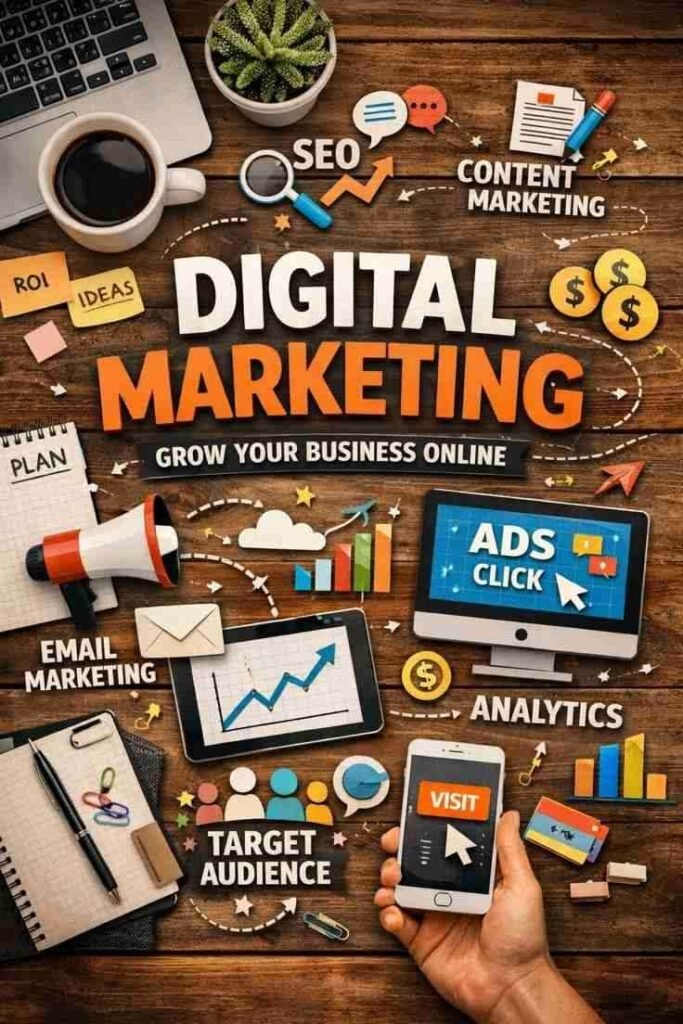
Digital marketing means promoting products, services or brands through digital channels such as search engines, websites, social media, email, messaging platforms and online advertising.
However, in 2026, digital marketing has become much more intelligent and personalized.
Customers are no longer simply searching for a product and visiting the first website they see. They may discover a business through:
- Google Search
- AI-powered search and answer platforms
- YouTube
- Instagram Reels
- Google Business Profile
- Online communities
- Short-form videos
- Recommendations and reviews
This means businesses need to build a strong digital presence across multiple customer touchpoints.
The goal is not just to get website visitors or followers. The real goal is to generate leads, build trust, convert prospects into customers and create repeat business.
Why Digital Marketing Is Important for Small Businesses in 2026
Small businesses face several common challenges:
- Not getting enough customers
- Low brand visibility
- High competition
- Difficulty generating quality leads
- Limited marketing budgets
- Dependence on referrals and offline customers
- Difficulty converting enquiries into sales
Digital marketing can help solve many of these problems.
For example, imagine a local interior designer. Earlier, the designer might depend on references and newspaper advertisements. Today, potential customers may search online for:
“Best interior designer near me”
or
“Modern home interior design in Delhi NCR.”
If the business has a properly optimized website, Google Business Profile, positive reviews, useful content and social media presence, it has a better opportunity to be discovered.
This is why taking an offline business online has become increasingly important.

1. AI Is Transforming Digital Marketing
One of the biggest digital marketing trends in 2026 is Artificial Intelligence.
AI can help businesses and marketers perform many tasks faster, including:
- Content creation
- Blog writing
- Keyword research
- Customer research
- Social media ideas
- Video scripts
- Ad copy
- Email campaigns
- Data analysis
- Customer support
- Lead qualification
- Personalization
- Marketing automation
But AI should not completely replace human creativity and strategy.
The most effective approach is:
Human Strategy + AI Assistance = Smarter Marketing
A business owner can use AI to generate ideas, analyze information and automate repetitive tasks while using human knowledge to make the final decisions.
For small businesses, this can reduce the time and effort required for marketing.
2. SEO Is Changing
Search Engine Optimization (SEO) remains an important part of digital marketing in 2026, but SEO is evolving.
Earlier, many businesses focused primarily on ranking websites for specific keywords.
Today, businesses need to focus on search intent, useful content, authority, user experience and brand trust.
Search engines increasingly try to understand what the user actually wants.
For example, instead of targeting only:
“Digital marketing course”
a business may create useful content answering questions such as:
- What is digital marketing?
- How can a small business use digital marketing?
- How much does digital marketing cost?
- How can I generate leads online?
- Which digital marketing strategy is best for my business?
This type of helpful content can attract users at different stages of the buying journey.
Technical SEO Is Also Important
A beautiful website is not enough.
Businesses should also pay attention to:
- Website speed
- Mobile responsiveness
- Website security
- Proper website structure
- Internal linking
- Crawlability
- Indexing
- Structured data where appropriate
- Broken links
- Page experience
A technically healthy website gives search engines a better opportunity to understand and index its content.
3. Search Is Becoming More Conversational
The way people search for information is changing.
Users increasingly ask complete questions rather than typing only a few keywords.
For example:
Instead of searching:
“Best digital marketing agency Delhi”
a user might ask:
“Which digital marketing strategy can help my small business generate more local customers?”
This creates an opportunity for businesses to publish clear, useful, question-based content.
Businesses should create content that directly answers customer questions.
A good strategy is to identify the questions customers ask before purchasing and create:
- Blog posts
- YouTube videos
- FAQs
- Social media posts
- Short videos
- Guides
- Case studies
around those questions.
4. Short-Form Video Marketing Will Continue to Grow
Short-form video remains one of the most powerful ways to attract attention.
Platforms such as YouTube Shorts, Instagram Reels and Facebook Reels provide businesses with opportunities to reach audiences quickly.
Small businesses can create videos about:
- Product demonstrations
- Customer problems
- Frequently asked questions
- Before-and-after results
- Tips
- Tutorials
- Behind-the-scenes content
- Customer testimonials
- Industry knowledge
- Founder stories
For example, a digital marketing consultant could create a 30-second video:
“3 Reasons Your Business Is Not Getting Enough Online Leads.”
Such content can attract business owners experiencing that exact problem.
The key is not simply creating videos.
The content should provide value, solve problems and build trust.
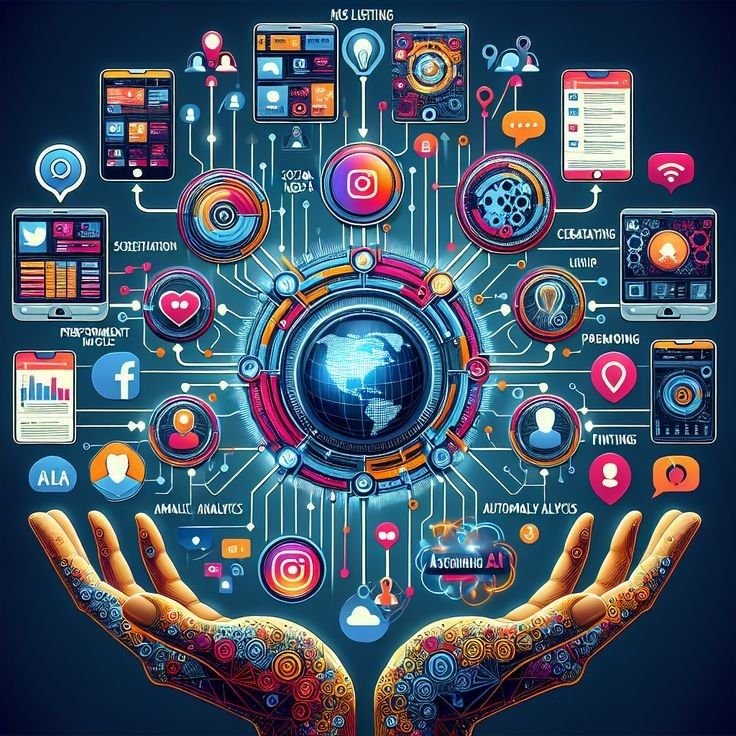
5. Social Media Marketing Is Moving Beyond Followers
In 2026, having thousands of followers does not automatically mean having a successful business.
The more important question is:
Are your social media activities generating business results?
Businesses should focus on:
Reach → Engagement → Trust → Leads → Sales → Repeat Customers
A small business with 2,000 highly relevant followers may generate more business than another account with 50,000 inactive followers.
Therefore, social media strategy should focus on the right audience, not just large numbers.
6. WhatsApp Marketing and Automation
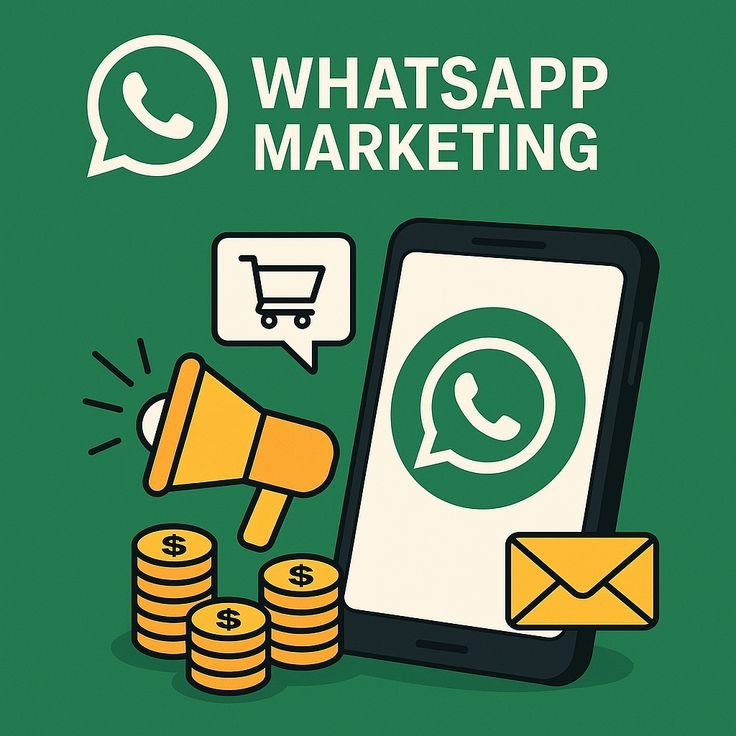
For Indian small businesses, WhatsApp can be an extremely useful marketing and communication channel.
Businesses can use WhatsApp for:
- Customer enquiries
- Product catalogues
- Follow-ups
- Appointment reminders
- Offers
- Customer support
- Lead nurturing
- Broadcast communication
- Order updates
Automation can make this process more efficient.
For example, when a customer submits an enquiry, an automated system can send an initial message, collect basic information and guide the customer toward the next step.
However, businesses should avoid sending excessive promotional messages.
The focus should be on permission, relevance and value.
7. Content Marketing Is Becoming More Important
Content remains one of the foundations of digital marketing.
But in 2026, simply producing large quantities of AI-generated content is unlikely to be a sustainable strategy.
Businesses should focus on original, useful and experience-based content.
For example, instead of writing a generic article titled:
“10 Benefits of Digital Marketing”
a local digital marketing consultant could write:
“How We Help Small Businesses Generate More Leads Through Digital Marketing.”
Real examples, practical experiences, case studies and original insights can make content more useful and trustworthy.
A strong content strategy can include:
- Blogs
- Videos
- Reels
- Infographics
- Case studies
- E-books
- Email newsletters
- Webinars
- FAQs
One idea can also be converted into multiple formats.
For example:
One Blog → YouTube Video → 5 Reels → LinkedIn Post → Instagram Carousel → WhatsApp Content
This is called content repurposing.
8.Personalisation Will Become More Important
Customers expect businesses to understand their needs.
Generic marketing messages may not be as effective as personalized communication.
For example:
Instead of:
“Buy our digital marketing service today.”
a business could communicate:
“Are you a local business owner struggling to generate consistent online leads? Here are three ways to improve your digital presence.”
The second message directly addresses a specific customer problem.
AI and marketing automation can help businesses personalize communication based on customer interests and behaviour.
9. Websites Are Still Essential
Some people believe social media has made websites unnecessary.
That is not true.
A website can act as a digital headquarters for a business.
A professional website can help a business:
- Establish credibility
- Explain products and services
- Generate enquiries
- Capture leads
- Publish educational content
- Showcase testimonials
- Rank in search engines
- Provide contact information
- Build a long-term digital asset
Social media platforms can change their algorithms, but a business-owned website gives the business greater control over its online presence.
For a small business moving from offline to online, a website should be considered an important part of the digital foundation.
10. Google Business Profile and Local Marketing
For local businesses, online visibility is extremely important.
A properly managed Google Business Profile can help customers discover businesses when they search for local products and services.
Businesses should maintain accurate information such as:
- Business name
- Address
- Phone number
- Website
- Opening hours
- Services
- Photos
They should also encourage genuine customer reviews and respond professionally to customer feedback.
For businesses serving a particular geographical area, local SEO can become a powerful source of qualified enquiries.
11. Email Marketing Is Still Relevant
Despite the growth of social media and messaging apps, email remains useful for customer communication and nurturing.
Businesses can use email for:
- Newsletters
- Educational content
- Product updates
- Offers
- Lead nurturing
- Follow-ups
- Customer retention
For example, someone who downloads a free business guide may not immediately purchase a service.
A business can provide useful information through a series of emails and gradually build trust.
This process is called lead nurturing.
12. Data and Analytics Are Critical
Digital marketing provides businesses with measurable data.
Instead of simply asking:
“Did our marketing work?”
business owners can ask:
- How many people visited the website?
- Where did they come from?
- How many enquiries were generated?
- Which campaign produced leads?
- What was the conversion rate?
- How much did each lead cost?
- Which content generated the most engagement?
- Which customers converted into sales?
This allows businesses to make decisions based on data rather than assumptions.
The important principle is:
Measure → Analyze → Improve → Repeat